

Understanding Today's Visual Content Landscape
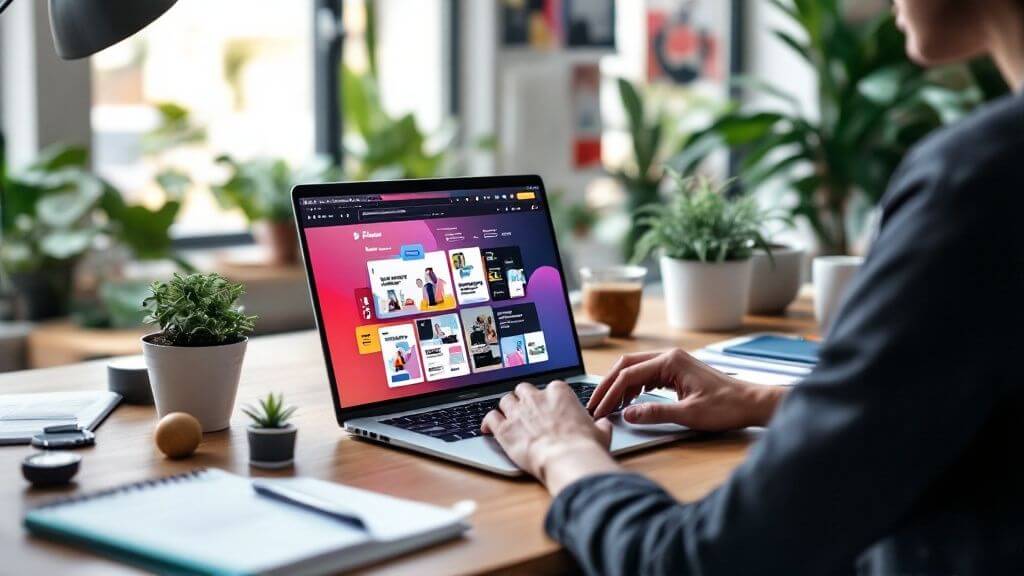
Social media demands eye-catching visuals that stop scrollers in their tracks. Brands need to know what grabs attention and drives shares. This means studying successful content, understanding viewer preferences, and adapting to each platform's requirements.
The Psychology of Viral Visuals
Some posts explode while similar ones go nowhere. The difference often comes down to basic human psychology. Content that stirs strong feelings, shows a fresh angle, or tells a story spreads fast. For example, bright colors spark excitement, while clean designs feel upscale. Knowing these emotional triggers helps create visuals that click with your audience.
Platform-Specific Design Trends
Each social network has its own unwritten rules and user habits. Instagram rewards beautiful imagery. TikTok favors snappy videos with popular music. LinkedIn users respond to polished, professional graphics. Success means adapting your design approach for each platform.
Analyzing Visual Content Performance
Great design is just the start - you need to track what works. Pay attention to engagement rates, reach numbers, and conversion data. Tools like Jeenee help study winning ads to improve your creative strategy. Use these insights to keep refining your visual content.
Leveraging Social Media for Design Inspiration
The platforms themselves offer endless creative fuel. Pinterest and Instagram showcase fresh ideas and emerging trends. Instagram's 2 billion monthly active users make it especially valuable for design inspiration. The platform's core audience is young - 61.1% are between 18-34 years old. In the US, 27.4% of users fall into the key 25-34 age group that shapes visual trends. Learn more in this detailed report: Discover more insights about social media statistics. Following these platforms helps you spot rising trends and understand what resonates with your target viewers.
Mastering Mood Boards and Visual Collections
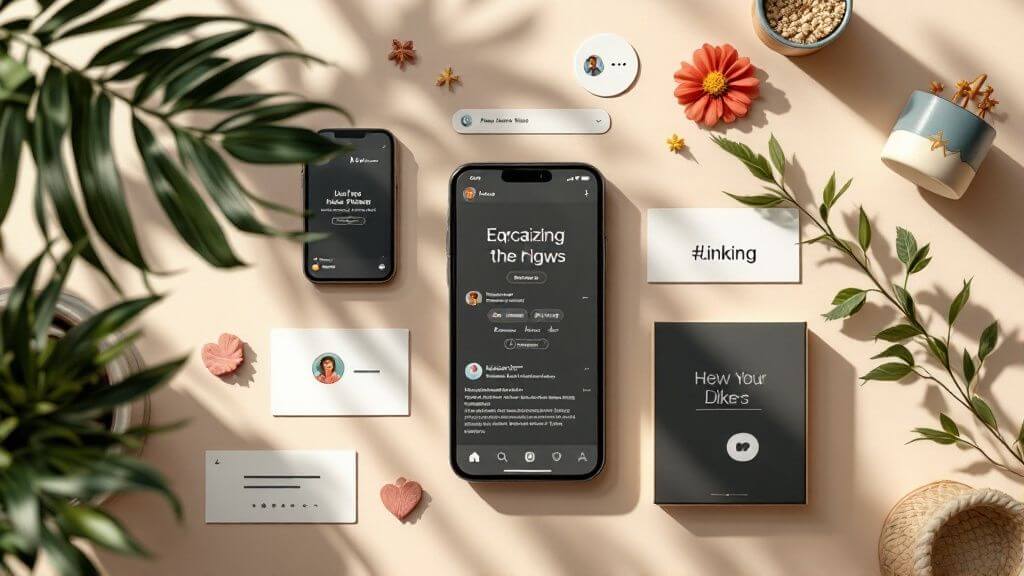
Bringing together scattered design inspiration into clear, usable visuals takes a focused strategy. Mood boards and visual collections are key tools that help organize ideas and create a consistent look. Let's explore practical ways to build and use these tools in your design work.
Building a Mood Board for Social Media Success
A mood board is like a visual sketch pad - a collection of images, text, colors and textures that show the style you want to create. It helps turn abstract ideas into real design elements that your team can use. For social media work, mood boards make it easier to move from concept to final design.
- Set Clear Goals: Start by deciding what message and feeling you want your visuals to express. This guides everything else.
- Find Examples: Look through Pinterest, Instagram, and design sites. Save anything that matches your vision.
- Sort and Select: Remove items that don't fit your theme. Group similar pieces to spot patterns.
- Test Different Layouts: Try various arrangements until the board flows well and looks cohesive.
Using Visual Collections for Brand Consistency
While mood boards focus on single projects, visual collections serve as ongoing design libraries. They help keep your social media look consistent over time by storing brand-aligned visuals you can reference.
- Group by Theme: Create categories like "Product Photos," "Color Schemes," or "Typography" to stay organized.
- Add Search Tags: Label visuals with descriptive terms to find them quickly later.
- Keep Content Fresh: Add new inspiration regularly and remove outdated items.
Pinterest has become a go-to spot for finding social media design ideas. Its visual focus appeals especially to Gen Z users who value personal style and community input. One success story: After seeing users pin 90s fashion images, Jaded London created baggy parachute pants that sold over 200,000 pairs. This shows how visual platforms can shape design trends and buying choices. Learn more about social media trends.
Making Ideas Real: A Simple Design Process
Mood boards and collections help bridge the gap between inspiration and finished designs. They give your design team clear visual direction for creating consistent social media content across platforms. When used well, these tools lead to engaging posts that connect with your audience. Tools like Jeenee can help speed up this process by using your collected visuals to create branded content quickly, giving your team more time to focus on creative strategy.
Building Strategic Influencer Partnerships
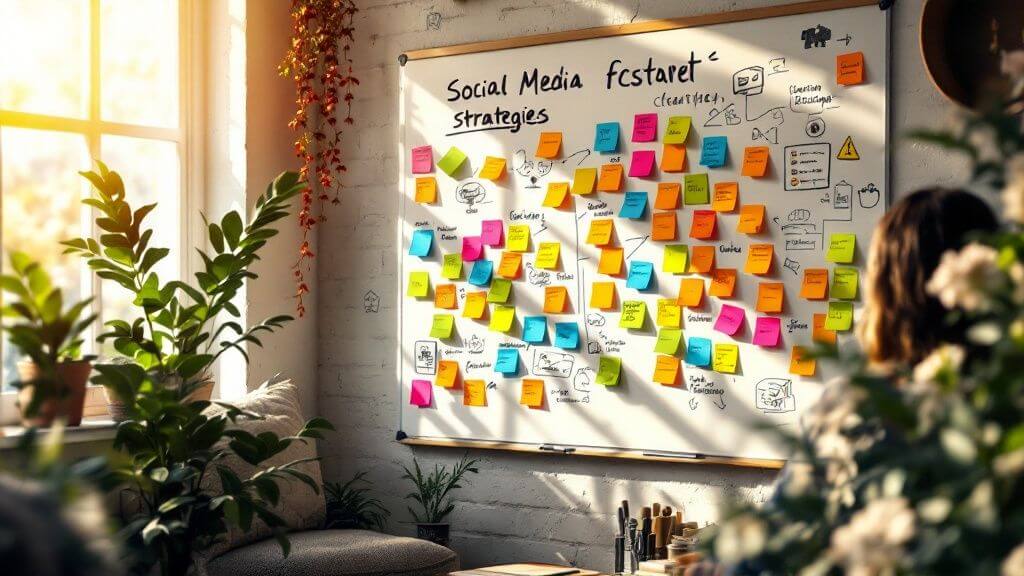
Working with influencers is more than just having them show off your products. It's a smart way to build your brand's look and connect with new people. But getting it right needs good planning - from picking the right partners to measuring how well it works.
Picking the Perfect Partners
The key is finding influencers who share your brand's beliefs and style. Look at who follows them, how they create content, and what they stand for. A good example - if you sell eco-friendly fashion, team up with someone who cares about the environment, not fast fashion. Think about your specific market too. If you're selling skincare, working with a dermatologist who shares tips on social media makes more sense than a general lifestyle influencer.
Creating Win-Win Partnerships
Both sides need to benefit for a partnership to work well. Be clear from the start about what you want to achieve, what content you need, and how you'll pay. This might mean sponsored posts, making content together, or even creating new products as a team. Having everything in writing helps avoid confusion. Give influencers room to be creative - while keeping your brand guidelines in mind, letting them add their own style usually leads to better content.
Keeping It Real
People can spot fake partnerships right away. Let influencers talk about your brand in their own voice instead of giving them a script to follow. When it feels natural, their followers are more likely to trust what they're saying. For example, if an influencer is showing off your clothes, they should style them their way and wear them in their daily life.
Looking at the Results
It's important to track how well your influencer partnerships work. Watch things like how many people see the posts, how they interact, website visits, and sales. Jeenee helps track these things and shows you how your ads are doing with different audiences. Using data helps you make better choices for future campaigns. The numbers show influencer marketing is growing fast - 43% of brands now work with more than 50 influencers, and 14% partner with over 1,000. Here's something interesting: smaller influencers (those with 1,000 to 10,000 followers) actually get more engagement, with an average rate of 2.19% on Instagram. Want to learn more? Check out these social media stats. When you choose the right partners and keep track of results, these partnerships can really help your brand grow.
Crafting Platform-Specific Design Strategies

Building your brand's presence across social media platforms requires understanding each platform's unique visual style. The key is adapting your designs to match what works best on each platform while keeping your brand identity consistent. Let's explore how successful brands do this effectively.
Understanding Platform Nuances
Social media platforms each have their own personality and user habits. Instagram shines with beautiful photos and carefully curated feeds. TikTok is all about quick, engaging videos that often use popular music and quick cuts. LinkedIn users expect clean, professional graphics and informative content. Getting these differences right is essential for connecting with your audience.
Tailoring Design for Instagram
Instagram's visual focus gives brands a great chance to show off products through eye-catching photos and videos. Stories and Reels help you connect with followers in fresh ways. The platform's shopping features also let you smoothly blend product listings into your visual content, making it easy for customers to buy what catches their eye.
Optimizing for TikTok's Fast-Paced Environment
TikTok needs a different approach since it's built for short videos. Your content should grab attention fast and fit with what's popular on the platform. This means using trending sounds, joining in on challenges, and editing creatively to hook viewers in the first few seconds.
Creating Professional Content for LinkedIn
LinkedIn calls for a more buttoned-up look. Your visuals should be clean and show off your expertise. Infographics, data charts, and professional photos work particularly well here, helping build trust in your brand. Try using LinkedIn's carousel posts to highlight company news and wins.
Maintaining Brand Consistency Across Platforms
While each platform needs its own approach, keeping your brand recognizable is crucial. Use the same colors, fonts, and image style everywhere to create a unified brand experience. This helps people instantly recognize your content no matter where they see it. Tools like Jeenee can help automate this process, letting your team focus on strategy.
Efficient Workflows for Platform-Specific Content
Creating unique content for each platform takes time and effort. To work smarter:
- Use design templates you can quickly modify
- Turn one piece of content into several formats
- Pick tools that speed up design work
For example, you might adjust a blog image for Instagram by changing its size and adding platform-specific elements. This saves time while keeping your look consistent. Working efficiently lets you focus on making content that really connects with each platform's audience.
Implementing Emerging Design Trends
Social media design requires a thoughtful balance between staying fresh and maintaining brand identity. This guide explores how to smartly adopt new design trends while keeping your core brand elements intact.
Identifying Relevant Trends
Not every trend makes sense for every brand. Start by finding trends that match your brand values and target audience. For example, a youthful brand might excel with bright, dynamic designs, while upscale brands often do better with clean, minimal looks. Good sources for design inspiration include:
- Design-focused accounts on Instagram and Pinterest
- Your industry competitors (analyze but don't copy directly)
- Design communities and forums
Evaluating Trend Potential
Before adopting a trend, assess whether it has staying power. Ask yourself:
- Is this a fundamental design shift or a passing fad?
- Does it align with broader industry changes?
- Will it resonate with my specific audience?
Tools like Jeenee can help analyze successful campaigns and provide data on which visual elements connect best with your audience.
Adapting Trends to Your Brand
The key is blending trends with your existing brand identity. Keep your core elements like:
- Brand colors
- Logo design
- Key visual elements
- Brand personality
Think of trends as ways to enhance rather than replace your brand look. For example, if bold typography is trending, try using eye-catching fonts while keeping your brand's color scheme.
Maintaining Authenticity
Real connection with your audience comes from genuine expression. When using trends:
- Only adopt ones that feel natural for your brand
- Skip trends that don't match your brand voice
- Focus on content that truly reflects your values
- Build trust through consistent messaging
Examples of Successful Trend Integration
Many brands effectively blend trends with their identity. Here are some examples:
- Clothing brands featuring customer photos styled in their products
- Tech companies using clean, minimal designs for better user experience
- Food brands incorporating user-generated content to build community
Jeenee offers templates and AI design suggestions to help merge current trends with your brand guidelines. The goal is finding the right balance between fresh and familiar to help your content stand out while staying true to your brand's core identity.
Measuring and Optimizing Design Impact
Creating great social media designs is just the first step. The real value comes from understanding how well they perform and using that information to keep improving. Let's explore how to measure and optimize your design's real impact.
Key Performance Metrics That Matter
While likes and follows are good to track, deeper metrics tell a more complete story about your design's effectiveness:
- Click-Through Rate (CTR): Shows the percentage of people who click your call-to-action. High CTRs indicate your design successfully captures attention.
- Conversion Rate: Measures how many viewers take your desired action, like buying a product or subscribing to a newsletter.
- View Duration: On platforms that offer this data, it shows how long people spend looking at your content.
- Social Sharing: When people share or save your content, it shows they found it valuable enough to keep or pass along.
- Brand Discussions: Organic mentions of your brand help gauge how well your designs spark conversations.
Setting Up Your Measurement System
To track design performance effectively, you'll need:
- Clear Objectives: Know exactly what you want your designs to achieve
- Analytics Tools: Use platform-specific analytics plus specialized tracking tools
- Regular Check-ins: Look at your data consistently to spot what's working
For instance, if you're trying to drive website visits, focus on tracking both CTRs and what happens after people land on your site. This gives you the full picture of how your design choices influence visitor behavior.
Making Sense of Your Data
Once you gather performance data, analyze it to understand:
- Which design elements connect: Look for patterns in colors, fonts, or image styles that perform well
- Top-performing platforms: Identify where your designs get the best results
- Business impact: See how your designs help meet key goals like sales or awareness
Measuring Design Return on Investment
To show the business value of your design work, try these approaches:
- A/B Testing: Test different versions of your designs to find winners. For example, try different button colors to see which gets more clicks.
- Customer Journey Analysis: Track how your designs influence people at different stages, from first seeing your brand to making a purchase.
- Social Monitoring: Keep tabs on how people talk about your designs across social platforms.
Real Success Stories
Many brands have improved their results through careful measurement. A clothing brand might discover that customer photos get better engagement than professional shots. Or a software company might find that simple designs with clear calls-to-action work best for their audience.
By tracking results and making improvements based on data, these brands keep their social media content performing well. When combined with tools like Jeenee, this approach helps create visuals that consistently connect with audiences and drive real business results.
Ready to improve your social media design results? Join the Jeenee waitlist and get three months of unlimited ad creation: Get Started with Jeenee


